09 October 2026
What Affects Tree Removal Prices in Cape Town?
Presented by @gettreeremovalpricesstore
If you have ever looked up at a towering eucalyptus in your backyard and wondered what it would cost to have it taken down, you are not alone. Tree removal prices are one of the first questions most homeowners ask when they realise a tree has become a problem. The answer is rarely a simple number. In my years working as a tree surgeon in Cape Town, I have seen quotes vary from a few hundred rand for a small sapling to several thousand for a mature pine tree that requires careful dismantling. The difference comes down to a handful of real, physical factors that any experienced arborist will assess before they give you a price.
Let us walk through those factors so you can understand what goes into the estimate and why tree removal prices are not one-size-fits-all. This kind of knowledge helps you ask the right questions and avoid surprises on the day the chainsaw starts.
Tree Size and Height
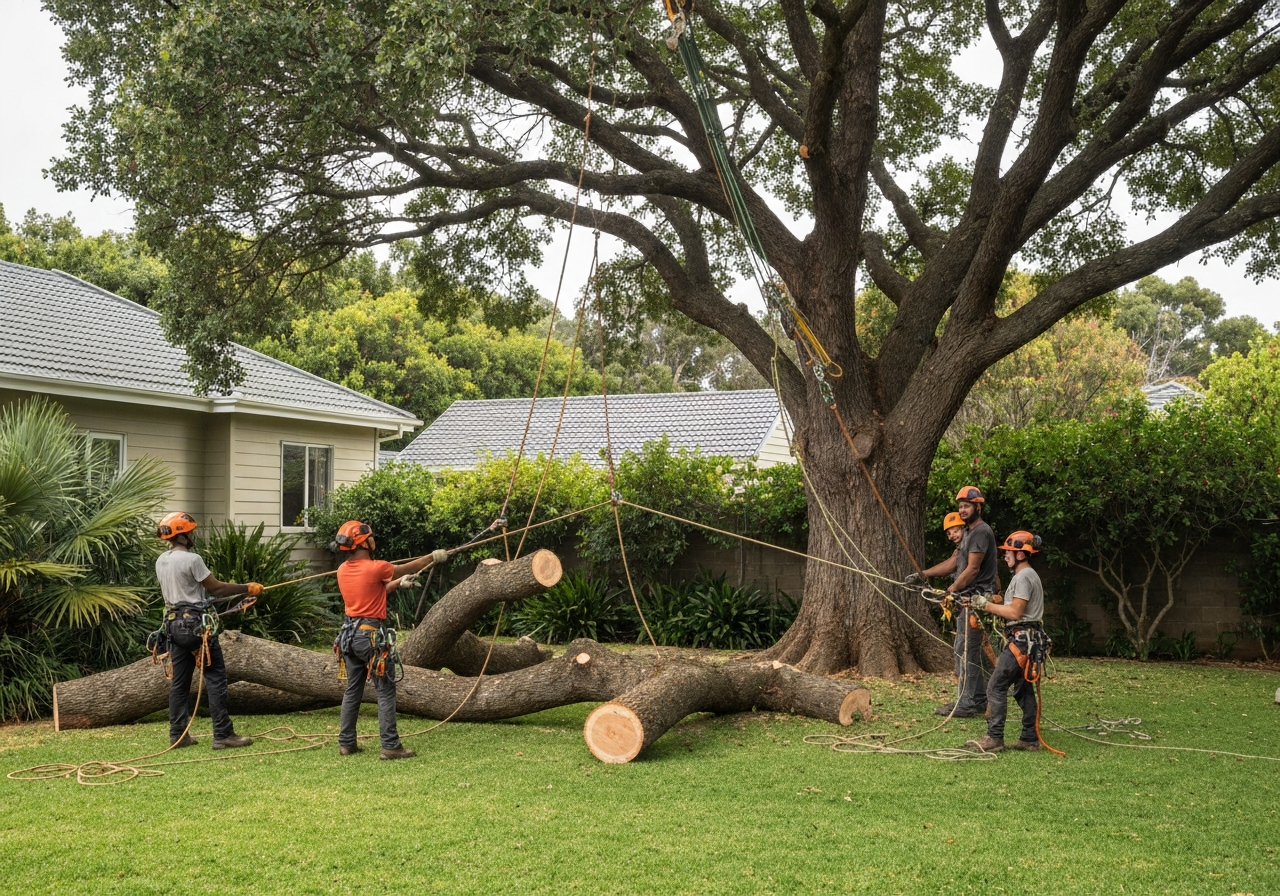
The single biggest driver of cost is how big the tree is. A young acacia that can be felled in one cut with a standard chainsaw is quick work. But a thirty-metre eucalyptus with a trunk diameter of a metre requires a very different approach. The tree surgeon has to think about where every branch will fall, how to rig ropes, and whether a crane service is needed. Tall trees also mean more time setting up safety lines and more skill required to bring the tree down in sections. That extra time and expertise is reflected in the quote.
Height alone is not the only measure. The spread of the canopy matters just as much. A wide crown can complicate the drop zone, meaning the arborist may need to climb and cut pieces by hand rather than felling the whole trunk in one go. That is slower work and it drives the price up. When you ask for a quote, expect the tree surgeon to measure both height and canopy spread.
Location and Access
Where the tree stands on your property changes everything. A pine tree in the middle of an open field is straightforward. The same tree planted two metres from your house, with a garden wall on one side and a neighbour's garage on the other, becomes a puzzle. The arborist must work around structures, power lines, and landscaping. They may need to use specialised rigging to lower branches rather than letting them fall. In tight spaces, an excavator or crane service might be the only safe option, and mobilising that equipment adds to the total.
Access for heavy machinery also matters. If the tree is behind a narrow gate or down a steep slope, the team cannot bring in a wood chipper or a stump grinder easily. They might have to hand-carry debris out, which takes more labour hours. Every extra minute on site shows up in the price. That is why on-site quotes are so important. A tree removal price that looks good over the phone can double once the arborist sees the actual access issues.
Species and Health
Different species behave differently under the saw. A healthy pine tree with solid wood is predictable and safe to work with. A eucalyptus that has grown near a water line may have brittle branches that snap without warning. Some species, like certain exotic invasives, are regulated and may require a tree felling licence before work begins. Others, like protected indigenous trees, may need a tree preservation order check with the local municipality. That paperwork takes time and can delay the job, which some tree services factor into their pricing.
The health of the tree also affects the method. A dying tree with deadwood is more dangerous because branches can fall unexpectedly. The arborist must take extra precautions to avoid injury to the crew or damage to your property. If the trunk is hollow or rotting, the usual climbing techniques may not be safe, and the team might have to use a crane or an elevated work platform instead. All of these adjustments raise the cost.
Debris Removal and Cleanup
Once the tree is down, you are left with a pile of branches, logs, and leaves. Some homeowners want everything hauled away. Others are happy to keep the logs for firewood or have the smaller branches chipped into mulch for the garden. Your choice affects the final bill. A full cleanup that includes running everything through a wood chipper, loading it onto a truck, and taking it to a landfill disposal site costs more than a basic felling where you handle the debris yourself.
Stump removal is another line item that surprises people. Cutting the trunk at ground level leaves a stump that can regrow or become a hazard. A stump grinder can chew it down below the soil surface, but that is an extra machine and extra time. If you want the stump ground out, ask about it when you get the quote. Some tree services include stump grinding in their standard package; others charge it separately. Either way, it is worth clarifying upfront.
Debris removal also has a green waste component. In Cape Town, green waste goes to specific facilities, and there are fees involved. The tree service will pass those fees on to you. A responsible company will include landfill disposal costs in the quote so there are no hidden charges.
Labour and Equipment
A professional tree removal crew is not just one person with a chainsaw. You typically have a team of two to four people: a lead climber, a ground crew, and someone operating the chipper or stump grinder. Each person needs to be trained in arboriculture and occupational health practices. The equipment itself is expensive to maintain. Chainsaws need sharpening, safety harnesses need inspection, and a wood chipper can cost as much as a small car. All of that overhead is built into the price you pay.
For very large or dangerous trees, the crew may bring in a crane service. That is a specialist subcontractor with its own costs: the crane truck, the operator, and the rigging gear. Crane-assisted removals are among the most expensive because they require careful coordination and a lot of setup time. But sometimes it is the only way to remove a tree without damaging the house or the neighbour's property.
Insurance Liability
Tree work is dangerous. Branches can fall on a roof, a chainsaw can kick back, or a climber can slip. Every reputable tree surgeon carries insurance liability coverage to protect you and them. That insurance costs money, and it is included in the quote. If you get a very low price from someone who does not carry insurance, you are taking a big risk. A single accident could leave you liable for thousands of rands in damage or medical bills. Paying a bit more for a properly insured team is usually the smarter choice.
Seasonal and Urgency Factors
Demand for tree services in Cape Town goes up after storms. When heavy winds bring down branches or uproot trees, everyone calls at once. Tree removal prices tend to rise during those peak periods because crews are booked solid and urgent jobs push regular work aside. If you can plan your removal during the quieter months, you may get a better rate. That said, if a tree is leaning dangerously after a storm, do not wait. The cost of emergency removal is higher, but it is much less than the cost of a tree falling through your bedroom.
Some companies offer a quote calculator on their website that gives a rough estimate based on tree height and location. That can be useful for budgeting, but it will never replace an on-site visit. Only a trained arborist can see the real conditions: the slope of the ground, the condition of the trunk, the proximity of power lines, and the best drop zone. A good tree service will come out, look at the tree, and give you a written quote that breaks down the work.
Making Sense of the Numbers
When you compare tree removal prices, look beyond the bottom line. Ask what is included. Does the quote cover debris removal and stump grinding? Does it include the tree felling licence if one is needed? Is the crew insured? How will they deal with the wood? A cheap price that leaves you with a stump and a pile of branches is not really a bargain. A fair price that includes full cleanup and a professional team is money well spent.
In my experience, the most expensive removal is the one you have to do twice. Cutting corners on safety or skipping proper planning can lead to damage, injury, or a half-finished job. Take the time to understand what goes into the estimate, and you will end up with a result that is safe, clean, and worth every rand.